INVASIVE SPECIES
The UK Health Security Agency (UKHSA), the Department for Environment, Food and Rural Affairs (Defra) and the Animal and Plant Health Agency (APHA) have published the first annual One Health Vector-Borne Disease Surveillance report.
The report brings together human, animal and vector data from 2025 to give a clearer picture of changing vector-borne disease risks in England.
SPEED READ
- UKHSA, Defra and APHA have published the first annual One Health Vector-Borne Disease Surveillance report
- The report brings together human, animal and vector data from 2025
- Lyme disease remains the most common locally acquired vector-borne infection in England, with 1,168 acute cases reported in 2025
- No locally acquired mosquito-borne infections were reported in England, but UKHSA says the risk picture is changing
- BPCA says professional pest managers should treat invasive mosquitoes as “one to watch” and build knowledge now.
Mosquitoes are not something most UK pest professionals have had to think about in the same way as colleagues in other parts of Europe, but that doesn’t mean we can ignore them.
The overall public health risk remains low, but the direction of travel is clear. Warmer conditions, changing habitats, and increased movement of people and goods all increase the likelihood that new vector-borne issues will become established.
What the report says
The report confirms that Lyme disease remains the most common locally acquired vector-borne infection in England, with 1,168 acute cases reported in 2025.
It also confirms two unrelated probable cases of tick-borne encephalitis complex, both without a history of international travel.
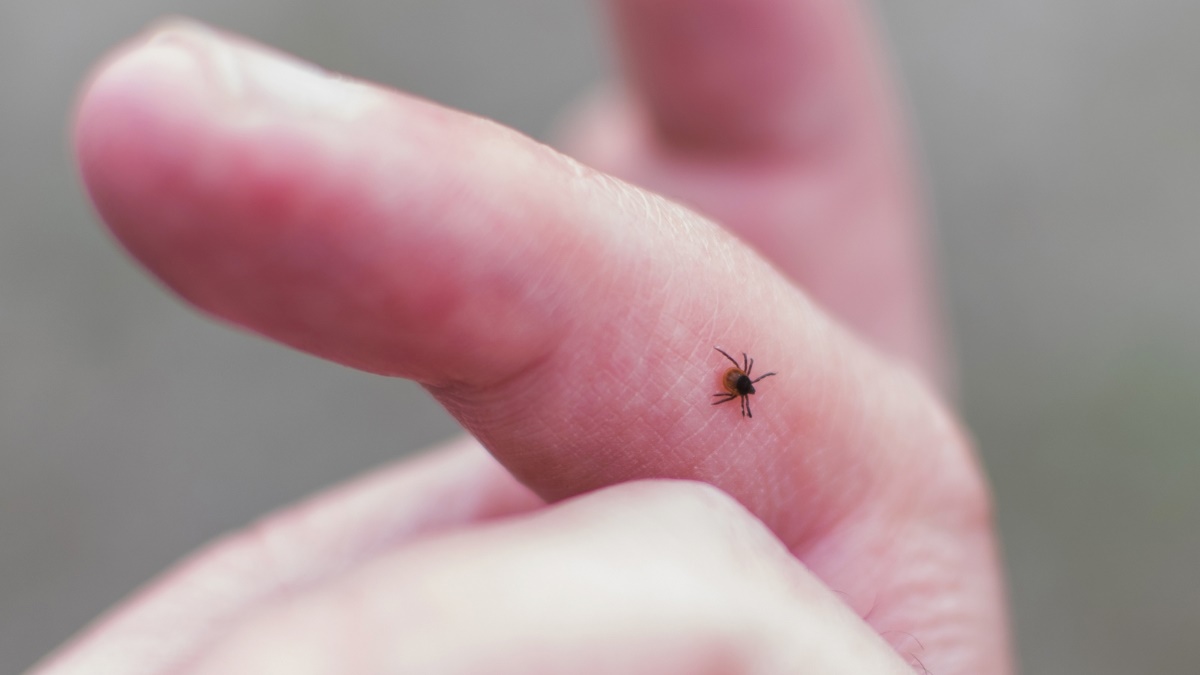
While tick-borne disease remains the main locally acquired human infection picture, the report also points to a developing risk from mosquitoes, particularly West Nile virus, Usutu virus and invasive Aedes mosquitoes.
UKHSA says no locally acquired mosquito-borne infections were reported in England in 2025.
However, the report highlights that the risk of local transmission is changing. Usutu virus is now considered endemic in native mosquitoes and birds in south-east England, West Nile virus has been detected for the first time in UK mosquitoes from a sample collected in 2023, and invasive mosquito incursions continue to be detected.
How the risks are grouped
The One Health report groups vector-borne diseases into four categories.
|
Group
|
What it covers
|
Why it matters
|
|
Mosquito-borne pathogens with no significant animal reservoir
|
Dengue, chikungunya and Zika
|
No local transmission in England, but risks are increasing in Europe
|
|
Mosquito-borne pathogens with an animal reservoir
|
West Nile virus and Usutu virus
|
Linked to birds, mosquitoes and environmental surveillance
|
|
Tick-borne pathogens
|
Lyme disease and tick-borne encephalitis complex
|
Lyme disease remains the most common locally acquired vector-borne infection
|
|
Other vectors
|
Other arthropod-transmitted pathogens
|
Supports horizon scanning for future and imported risks
|
The report also publishes a risk monitoring matrix for the first time, bringing surveillance data together to help track risk and support preparedness.
For BPCA, that preparedness piece is where professional pest management becomes especially relevant.
Niall Gallagher, BPCA Technical Manager, said:
This isn’t about saying we have a major mosquito-borne disease problem in the UK today. We don’t. It’s about recognising an emerging risk early enough that we’re not trying to catch up when it becomes more established.
Niall Gallagher, BPCA Technical Manager
Invasive mosquitoes are one to watch
The report says invasive Aedes mosquitoes, including Aedes albopictus, are now established in 16 European countries.
Aedes albopictus can transmit dengue and chikungunya viruses. The report notes that Europe saw a record number of locally acquired chikungunya cases in 2025, following a record number of locally acquired dengue fever cases in 2024.
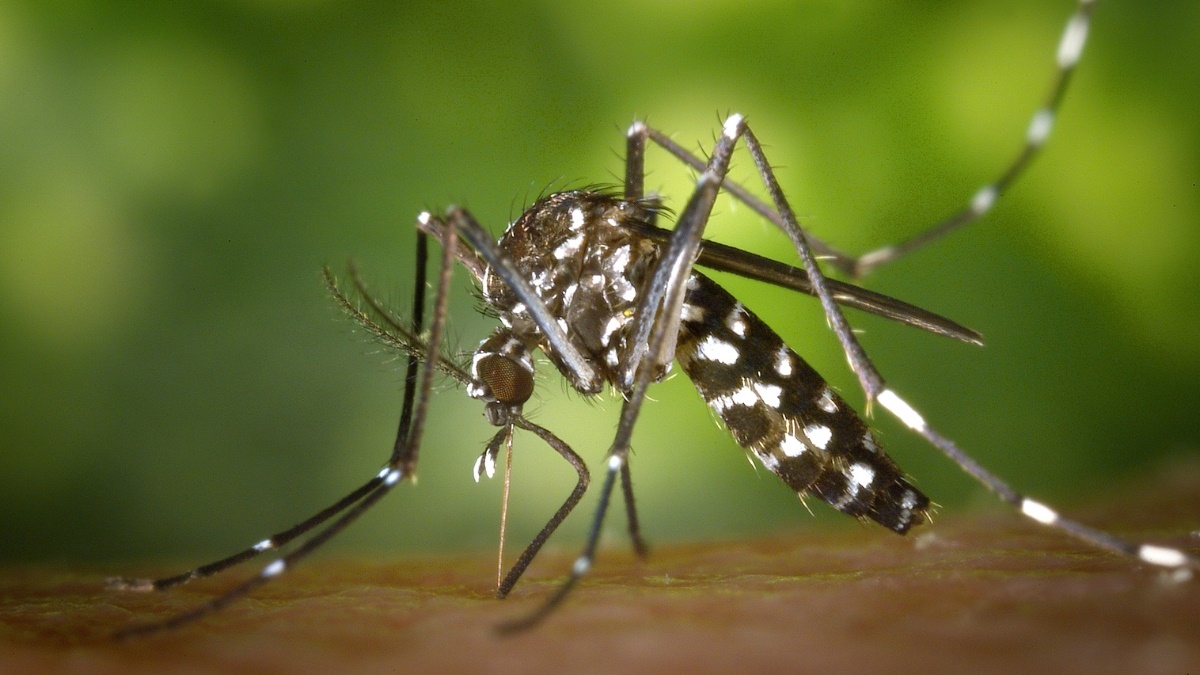
UKHSA and Defra have also updated the National contingency plan for invasive Aedes mosquitoes in England. The plan now includes actions to manage established invasive Aedes populations and local transmission of dengue and chikungunya viruses.
The West Nile virus plan has also been updated.
Key developments highlighted in the report include:
- West Nile virus detected for the first time in UK mosquitoes from a sample collected in 2023
- Usutu virus now considered endemic in native mosquitoes and birds in south-east England
- First detection of Usutu virus in wild birds in Scotland in 2025
- Continued detection of invasive mosquito incursions at points of entry
- Increasing local transmission of mosquito-borne diseases in parts of Europe.
Not just a south-east issue
Niall said pest professionals should be aware that the issue is not just a south-east England concern.
“We know monitoring is taking place around likely points of entry, including service stations, airports and docks. That makes sense because these species can move with transport and trade.
“But if UKHSA is monitoring those routes, pest professionals working around those types of sites should have this on their radar, too. This is probably something the whole sector needs to keep an eye on, not just one region.”
The report says simple preventive actions remain important, including being tick-aware, avoiding insect bites, removing litter and eliminating breeding sites by removing standing water.
For pest professionals, many of the practical messages are already familiar: survey properly, identify risk factors, reduce harbourage, remove breeding opportunities and give clear recommendations.
Where pest management fits in
The report highlights the value of surveillance, including citizen reporting through the Tick surveillance scheme and Mosquito recording scheme.
It also says local authorities should understand the risks in their areas, support vector surveillance, ensure nuisance biting is reported, and have appropriate local plans in place for vector control.
BPCA says professional pest managers can support the wider public health effort by staying informed, understanding likely breeding sites and routes of introduction, and signposting customers to credible public health advice.
Niall said:
“There is good information available from UKHSA, the World Health Organization and the European Centre for Disease Prevention and Control. The sector doesn’t need to become alarmist, but there isn’t really an excuse to be ignorant.
We need to think about where the industry might be in five or ten years. We have an ageing workforce, a new generation coming through, and an opportunity to get people ready now rather than waiting until the issue is on top of us.
Niall Gallagher, BPCA Technical Manager
Further reading
UKHSA One Health vector-borne disease surveillance report 2025
Full annual surveillance report bringing together human, animal and vector data for England.
National contingency plan for invasive Aedes mosquitoes in England
UKHSA guidance on preparedness, surveillance and response for invasive Aedes mosquitoes.
West Nile virus surveillance and response plan
UKHSA and Defra plan setting out surveillance and proposed actions if West Nile virus is detected in animals or humans in England.
Tick surveillance scheme
UKHSA scheme for submitting ticks found on people, animals or in the environment to support national surveillance.
Mosquito recording scheme
UKHSA scheme supporting mosquito identification and distribution monitoring in the UK.
European Centre for Disease Prevention and Control: vector-borne diseases
European updates, maps and technical information on mosquito-borne and tick-borne disease risks.
World Health Organization: vector-borne diseases
Global overview of vector-borne disease risks and public health guidance.
Written evidence submitted by The British Pest Control Association to UK Parliament
For a government consultation on zoonotic (animal-to-human) disease prevention
Pest expert advice on mosquitoes in wake of UKHSA report
British Pest Control Association (BPCA) has issued advice to householders after two species of disease-carrying mosquitoes were found in the UK.
VIDEO: Preparing for mosquito-borne disease emergence in Britain
In this video, Dr Georgia Kirby from University of Glasgow investigates mosquito ecology in Scotland. This video is taken from BPCA's Digital Forum 22 – International Women's Day Special.
Public health vs Pests: Medical problems and infections from pests
PPC magazine article in which Dr Alex Kew from University College London Hospitals to look at the public health risks that arise from common pests to better educate and protect our clients.