RESEARCH
An independent report commissioned by British Pest Control Association (BPCA) reveals the economic and social value of professional pest control in the UK.
Pest control is a small sector with a big impact. It contributes £1bn a year to the UK economy and saves households and businesses a further £1.9bn a year, while protecting food supply chains, safeguarding healthcare environments, maintaining housing standards and supporting business continuity.
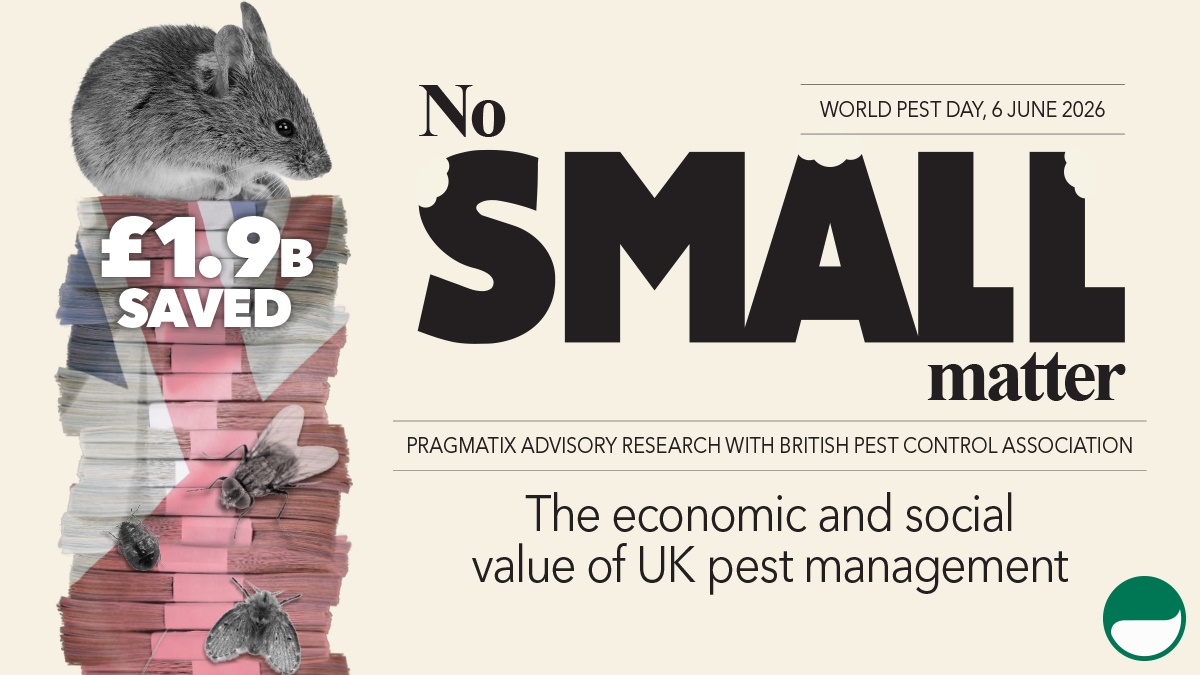
Launching ahead of World Pest Day, 6 June, the No Small Matter report by Pragmatix Advisory was commissioned by BPCA to give an independent view of the value of the pest control industry.
The report found that the sector is modest in size, but extensive in reach, with more than 4.4 million client jobs attended in 2025 across homes, high streets, hospitals, schools, warehouses, farms and transport hubs in every region of the UK.
We’ve always known the value pest management provides to society, but we haven't had the data to prove it. This report changes that. It gives the sector the evidence it needs to show government, clients and the public that pest management is not just reactive work, but a professional, preventative service that protects health, homes and the economy.
Rosina Robson, BPCA Chief Executive
For BPCA and its members, this is a tool to raise the profile of the sector, demonstrate its professionalism and make the case for why pest management should be recognised, supported and never overlooked again.
JUMP TO:
‘No Small Matter’ executive summary
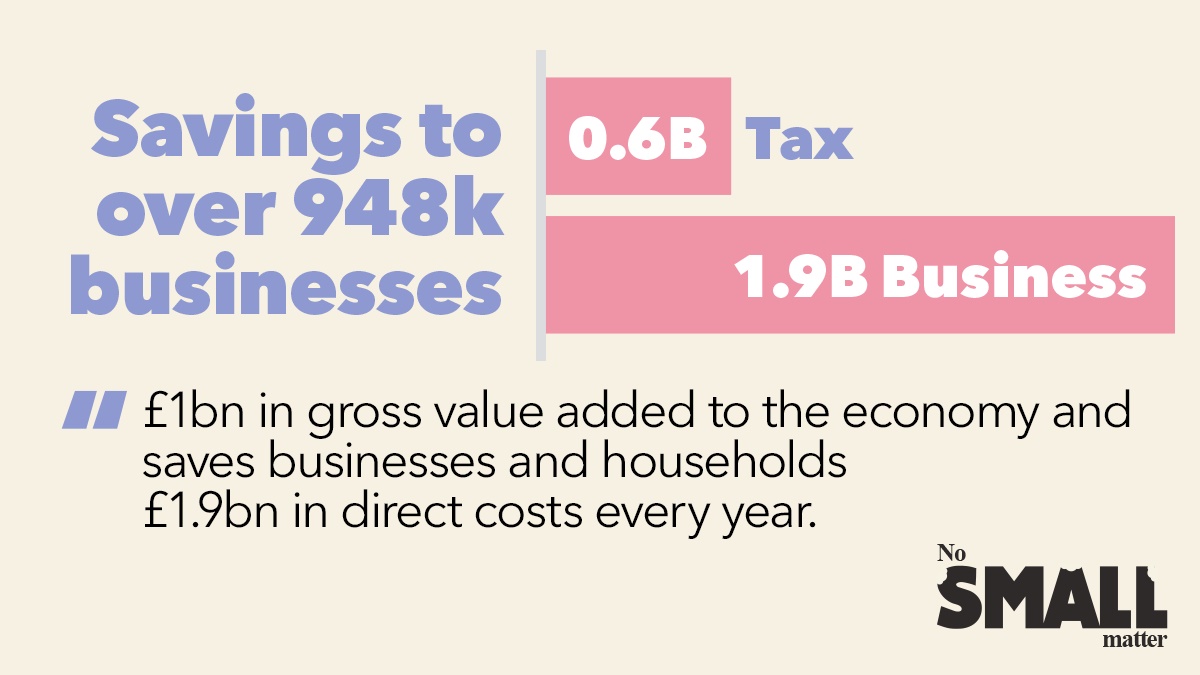
The UK pest control sector is small in size but national in reach. The report estimates that it contributes £1bn in gross value added to the economy and saves British businesses and households £1.9bn in direct costs every year.
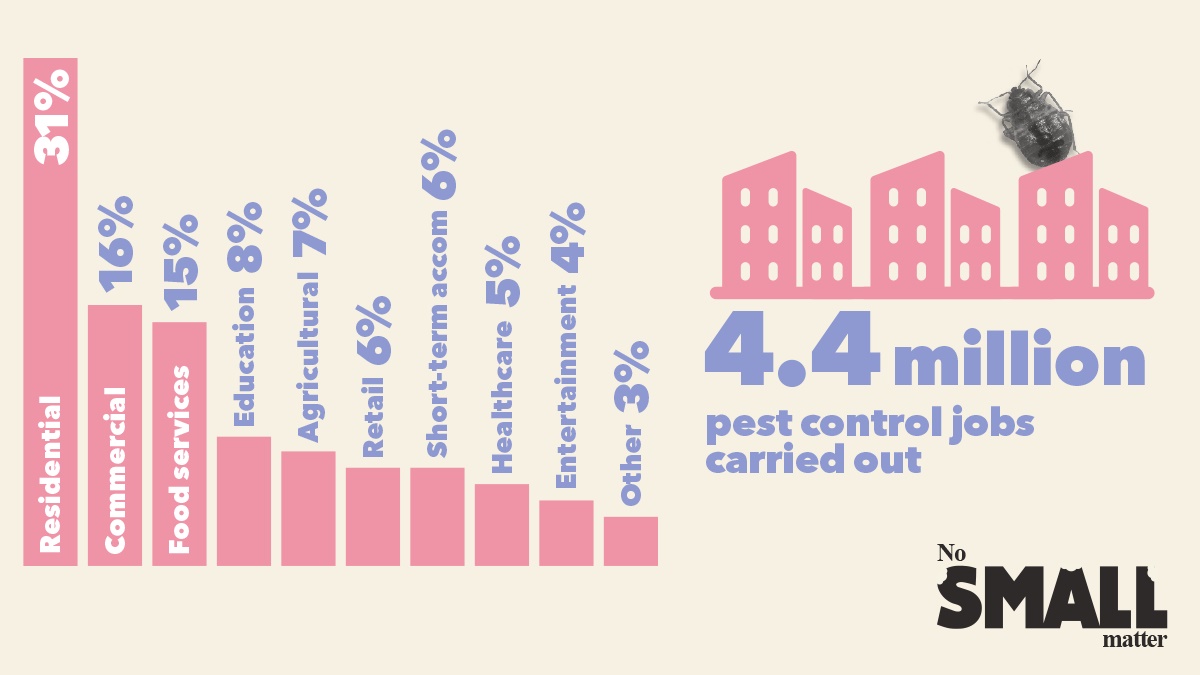
Its impact reaches far beyond its footprint. In 2025, pest professionals attended more than 4.4 million client jobs, more than 12,000 every day, across homes, high streets, hospitals, schools, warehouses, farms and transport hubs.
Residential client jobs make up 31% of the sector’s workload, followed by commercial spaces at 16% and food services at 15%. Remaining activity is split across agriculture, education, healthcare, short-term accommodation, retail and entertainment.
Professional pest control helps businesses, public services and households avoid disruption, financial loss, reputational damage and legal or enforcement action. It is prevention work that often goes unnoticed until it is missing.
The role pest professionals play in protecting British homes, businesses and key sectors such as healthcare, food production and transport networks, has gone unsung for generations, but this report shows that this industry is vital and expensive to ignore.
Rosina Robson, BPCA Chief Executive
Key findings from the report
The No Small Matter report shows that pest control delivers economic, public health and social value at scale.
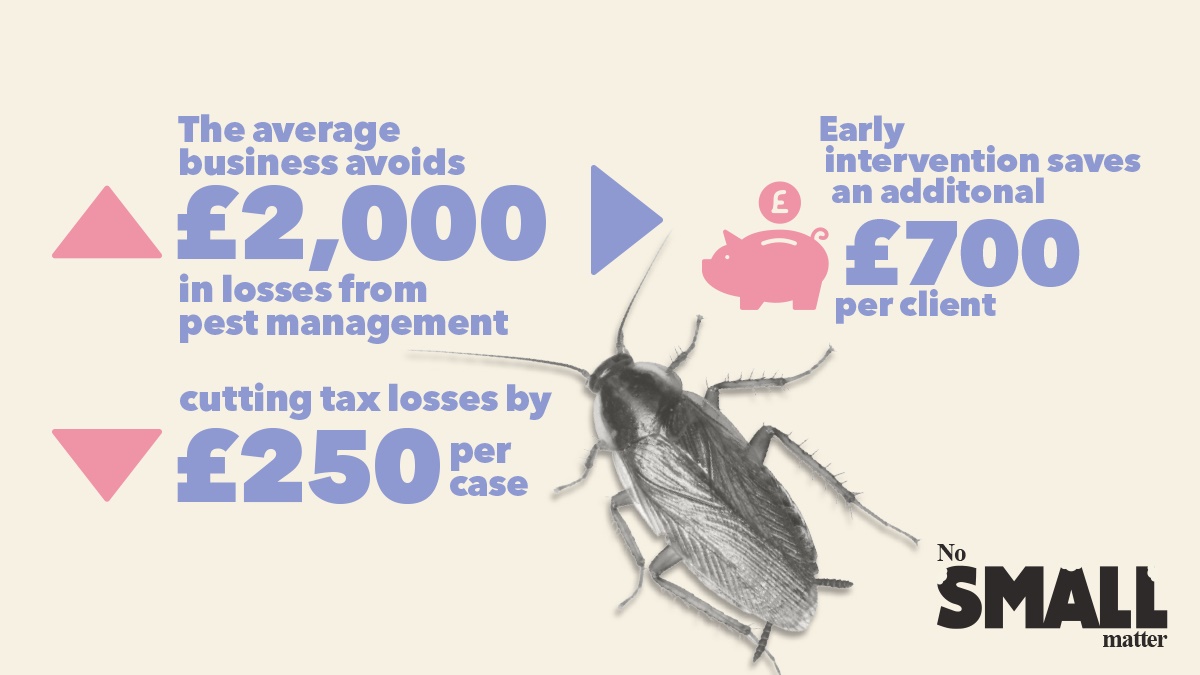
Professional pest control reduces the average cost of an infestation by around £2,000 in complex cases, compared to situations where professional help is not sought. Delayed intervention costs an average of £700 more per case in direct costs.
Despite this, pest control is often only prioritised once something has gone wrong. The report found that an average of 64% of pest management is reactive rather than preventative, and around 32% of client jobs involve either significant infestations or emergency response.
The consequences of inaction are clear. On average, 41% of clients would face reputational damage without pest control intervention, while 26% could face legal or enforcement action. These risks are particularly significant in food service environments.
During our research, pest controllers described effective pest management as the invisible infrastructure that keeps the economy running. Our modelling found that delayed intervention costs an average of £700 more per case in direct costs, but where there is no professional intervention at all, businesses and individuals face around £2,000 more in costs compared to where professional help is sought.
Zarea Kamil, Consultant at Pragmatix
Policy and public affairs impact of the report
The report makes a clear case for pest control to be considered in policy discussions on growth, public health, environmental safety, safe housing and resilient services.
It warns that persistent stereotypes can obscure the skill, judgement and responsibility required in professional pest management. This means the sector’s contribution is often overlooked in policy discussions and undervalued by members of the public.
Describing pest management as essential but often overlooked, the report highlights opportunities to introduce a proportionate licensing framework for pest management, distinguishing competent practitioners and providing greater visibility into the sector's skills and responsibilities.
Professional pest management is a small sector with a nationwide footprint. Policy and decision makers need to give consideration to our sector if they are to achieve optimum outcomes on public health, environmental management and the economy.
Rosina Robson, BPCA Chief Executive
Public health impact of the report
The report found that professional pest management serves as a form of preventive public health intervention, helping prevent disease while supporting hygiene and environmental safety.
Common urban and rural pests such as rodents, cockroaches, flies and birds can act as vectors for disease. Pest management helps interrupt pathways through which pathogens spread, limiting the scale of outbreaks and protecting vulnerable groups such as children, older people and those with compromised health.
The report also highlights how pest professionals help protect essential infrastructure, such as hospitals, schools, and transport networks, as well as food businesses and housing.
This report highlights the critical role pest management plays in protecting public health and keeping essential services running. The environmental health profession sees first-hand the consequences of pest infestations, particularly in domestic settings, food settings and vulnerable communities, where the risks to health and wellbeing can be significant. While pest control is vital, investing in prevention is key to reducing harm and avoiding the wider social and economic costs identified in this report.
Mr Andrews, Head of Environmental Health, The Chartered Institute of Environmental Health
If pest control stopped tomorrow, pest issues wouldn’t just rise, they would escalate rapidly. Currently, pest professionals are undertaking prevention work across homes, businesses and key spaces such as schools and hospitals as part of the wider public health infrastructure, rather than simply responding once harm has already occurred.
Niall Gallagher, BPCA Technical Manager
Housing impact of the report
The report found that residents in lower-income areas are at the highest risk of pest problems but also face higher costs and limited access to local authority pest control services.
Around half of local authorities no longer offer a direct pest control service, or have significantly reduced provision, leaving residents to rely on private services or attempt to manage infestations themselves.
Dense urban areas and overcrowded or poorly maintained homes create conditions where pest infestations can spread more quickly and are harder to control. Since 2022, average council visits for rodent infestations rose by more than 150%, with bed bugs rising over 30% and cockroaches to almost 20%.
James Berry, Deputy CEO of the Property Care Association, said:
The focus on data and insight in this report makes it a compelling read, and one that highlights the impact and importance of professional pest control in the UK. As the trade body for timber and damp control, it also raises important issues that resonate in the PCA’s sector too, including the importance of taking a proactive rather than a reactive approach to property maintenance, along with recruitment priorities for the future.
James Berry, Deputy CEO of the Property Care Association
The need for pest management is often highest in communities already experiencing wider social and health inequalities, with households facing financial pressure being less able to invest in pest prevention or timely professional intervention.
Rosina Robson, BPCA Chief Executive
Mental health and wellbeing impact of the report
The report highlighted the importance of professional pest management in protecting people from the emotional distress pests can cause.
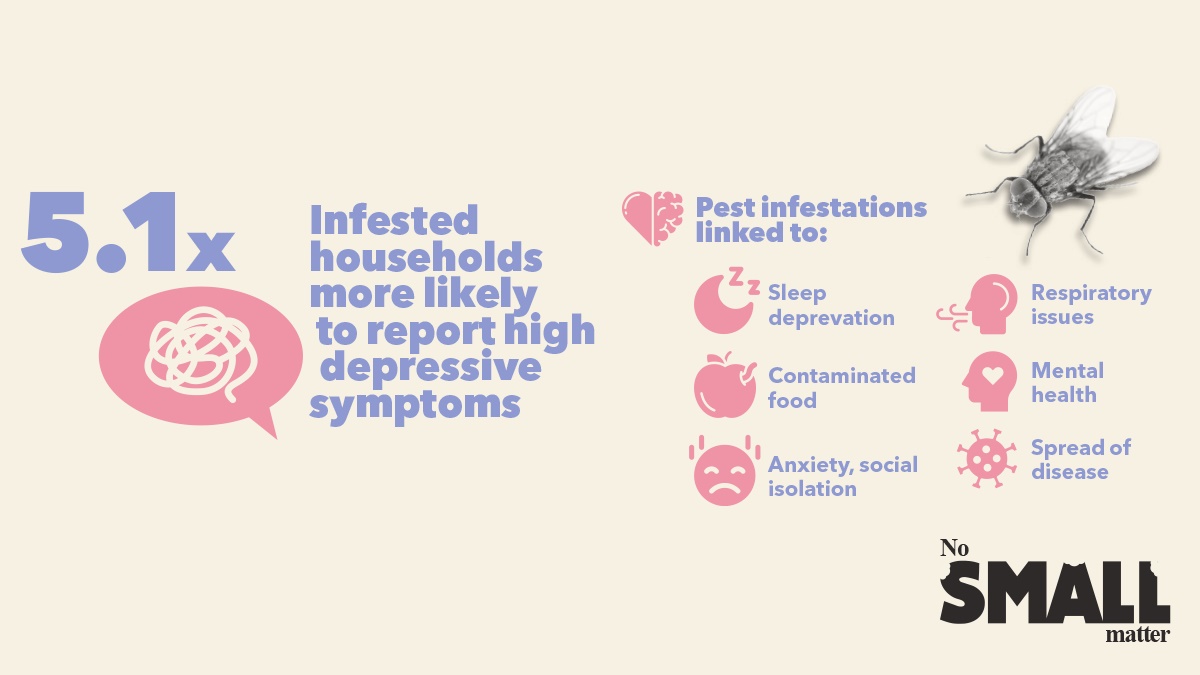
Living with an infestation can result in anxiety, psychological distress, sleep disruption, fatigue, stigma, shame, social isolation, depression and low mood. The report also cites a study that found depressive symptoms were 2.9 times more likely in households with a cockroach infestation and 5.1 times more likely in households with both cockroach and mouse infestations.
For many households, especially where there are financial or housing pressures, an infestation can become overwhelming and deeply personal, turning their home into a constant source of stress, rather than a safe, secure and private space.
Rosina Robson, BPCA Chief Executive
Food and hospitality impact of the report
Food businesses face some of the highest pest-related risks. The report found that more than 50% of pest control work in the food services industry was reactive rather than preventative in 2025, despite the risks of infestation ranging from forced closures and stock loss to regulatory fines and reputational damage.
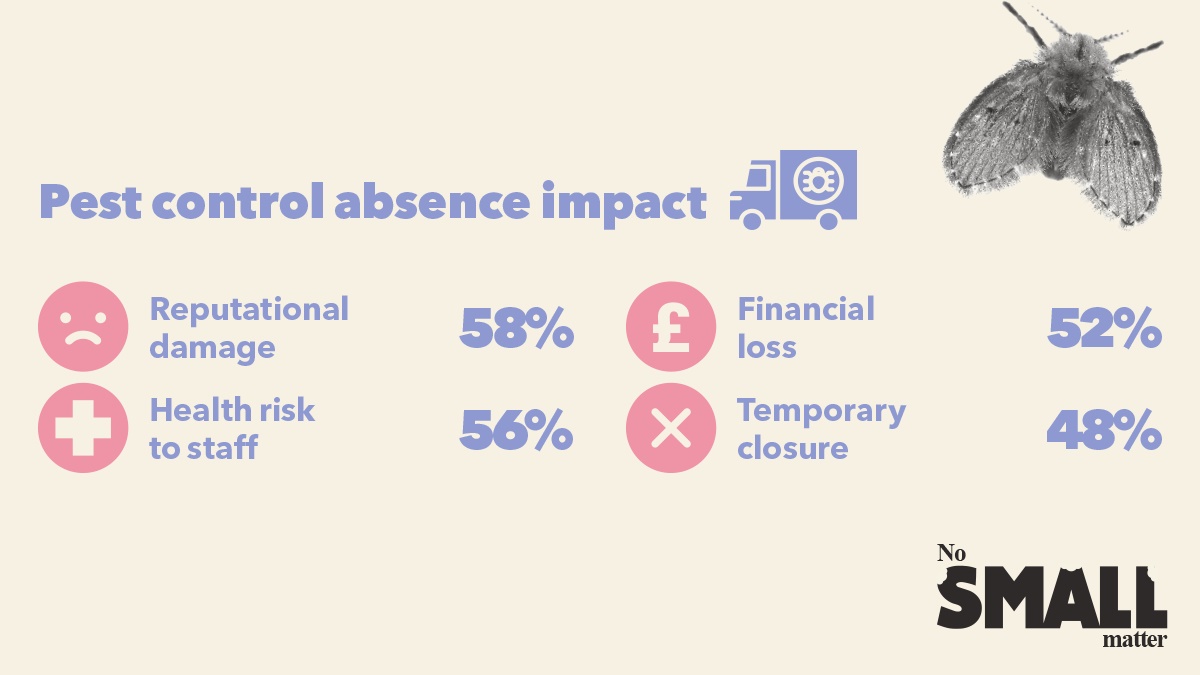
Almost 58% of client jobs were likely to result in reputational damage, and up to 48% could face temporary closure without pest control services.
Preventative work includes routine inspections, monitoring, proofing, hygiene advice and ongoing contract services designed to identify risks early and prevent infestations from occurring in the first place. Not only does it help protect public health, it also helps businesses avoid waste through contaminated stock, loss of revenue, damage to property and buildings, legal and enforcement costs and the potential financial effects of a tarnished reputation.
Niall Gallagher, BPCA Technical Manager
Sector impact of the report
For BPCA members, the report gives independent evidence of the role pest professionals play across the UK. It shows the scale of the sector’s work, the risks it helps prevent and the importance of early, professional intervention.
BPCA member businesses are endorsed by the Government via the TrustMark quality scheme. They must carry the correct insurances, use trained and qualified technicians, be assessed to the British Standard in pest management EN 16636 and follow BPCA’s Codes of Best Practice.
Our members play a vital role in protecting food supply chains, shielding healthcare environments, maintaining housing standards and supporting business continuity.
Rosina Robson, BPCA Chief Executive
How the research was produced
Pragmatix Advisory Limited was commissioned by BPCA to conduct independent research and produce impartial analysis of the pest control sector.
The report brings together sector insight, economic modelling and frontline experience to show the value of professional pest control in the UK.
It draws on the BPCA Future of Pest Management survey data, national datasets, and interviews with pest professionals, including examples of the risks, challenges, and impacts seen by technicians and business owners every day.
BPCA members can help spread the word
You can download the No Small Matter one-page fact sheet to help explain your role to clients, partners and local decision-makers.
Download fact sheet
This report gives you independent evidence to support what you already know: pest management is essential, skilled work that protects health, homes, businesses and public services every day.
We’re also asking members to engage directly with policymakers. You can use our template letter to contact your MP.
Download template letter
If you would like support with outreach, materials or arranging a visit, contact policy@bpca.org.uk.
Downloads
If you would like to request a full copy of the report, please contact policy@bpca.org.uk