-
28 November 2017
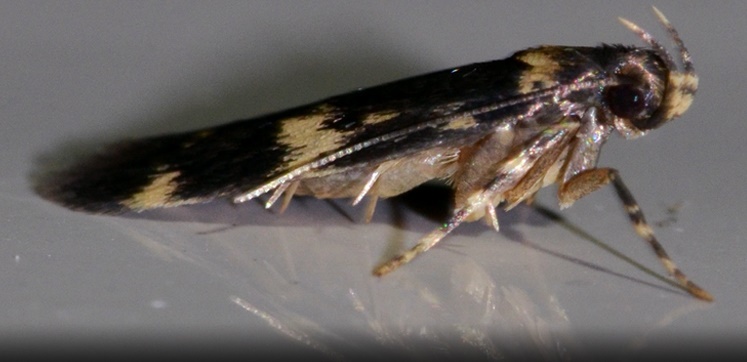
Pest advice for controlling Moths
Find out everything you need to know about moths in the UK, including how and why we control them, using our complete guide.. More
-
28 November 2017
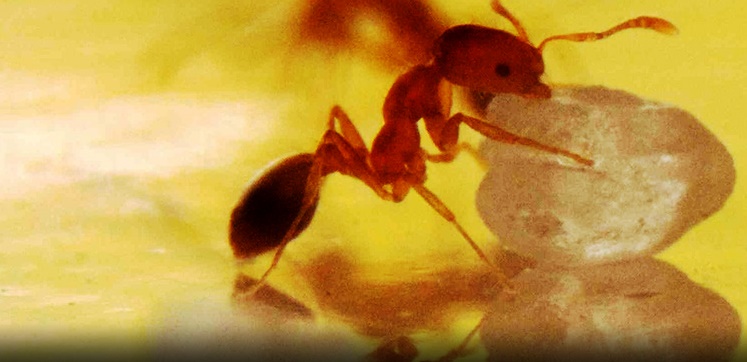
Pest advice for controlling Pharaoh’s Ants
A small tropical species of ant of increasing importance in the structures of large centrally heated buildings, especially hospitals and high rise blocks of flats where it can be a serious public health pest.. More
-
28 November 2017
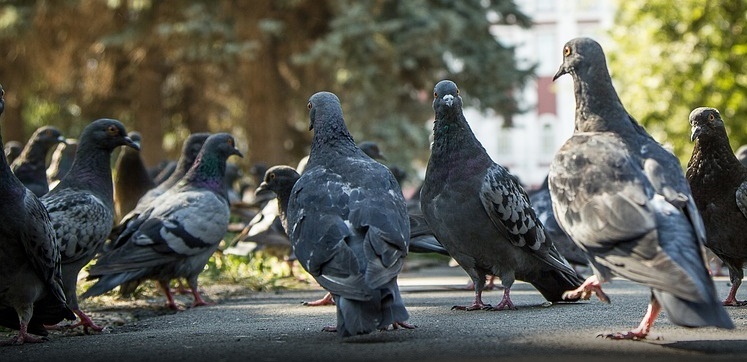
Pest advice for controlling Pigeons
Feral pigeons foul buildings, creating unwanted "stained glass" windows and "decorated" architecture. All sorts of pests may migrate from their nests into buildings. Originally descended from the wild Rock Dove, a cliff-face dweller, these birds f.... More
-
28 November 2017
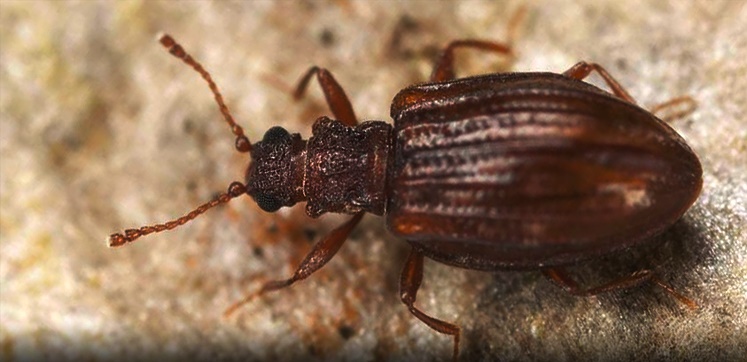
Pest advice for controlling Plaster Beetle
In a new house where plaster is still damp, or where damp plaster occurs in old property, very tiny, almost black beetles about 2mm long may be found. These are called plaster beetles.. More
-
28 November 2017
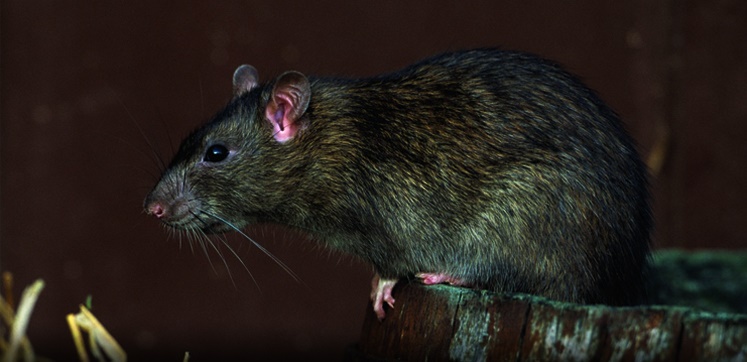
Pest advice for controlling Rats
Have you heard scuttling under the floorboards? Can you see signs of a potential rodent nesting site? And have you ever wondered what makes a mutant rat so “super”?. More
-
28 November 2017
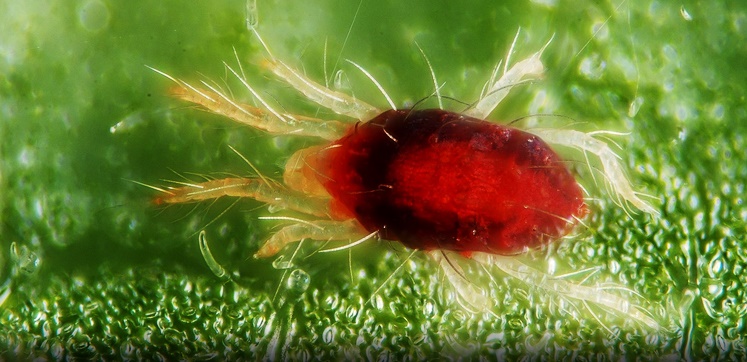
Pest advice for controlling Red Spider Mites
Tiny, bright red specks, about 1mm across, sometimes move into buildings in large numbers. There are two species with several names, generally known as Red Spider Mites. Although they do no direct harm inside the house, if the mites are squashed t.... More
-
28 November 2017
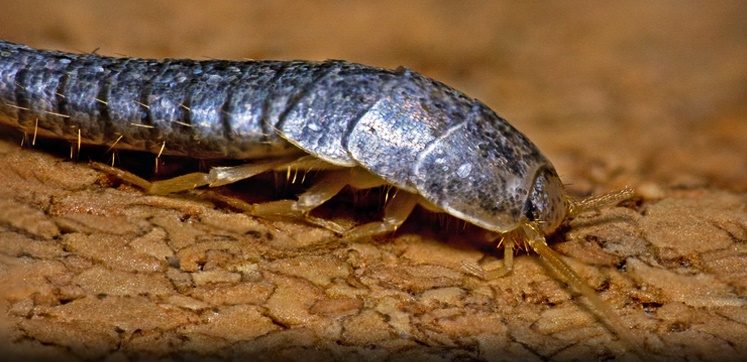
Pest advice for controlling Silverfish
A cigar-shaped, silver-grey, wingless insect about 12mm long, found in damp areas commonly in kitchens and bathrooms. Nocturnal in habit, but often trapped in baths, basins or chinaware as it cannot climb the smooth surfaces. Moves quickly and has.... More
-
28 November 2017
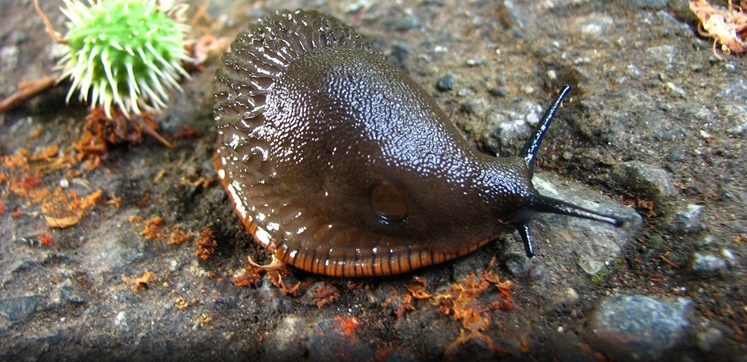
Pest advice for controlling Slugs
A well-known garden pest, Slugs will eat vegetation and are only occasionally found indoors, in damp areas such as cellars. Despite their appearance, Slugs are harmless and is only a minor agricultural/amenity pest.. More
-
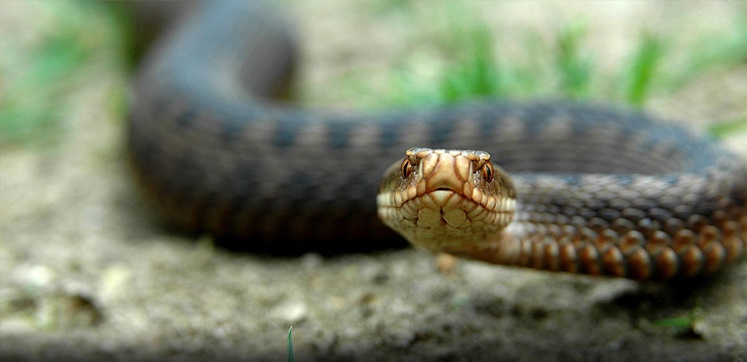
28 November 2017
Pest advice for controlling Snakes
In the UK snakes are not dealt with as pests by an average pest control company as problems are not common and dealing with snakes requires particular skills. As stated in the Wildlife and Countryside Act 1981 it is illegal to kill, injure or sell.... More
-
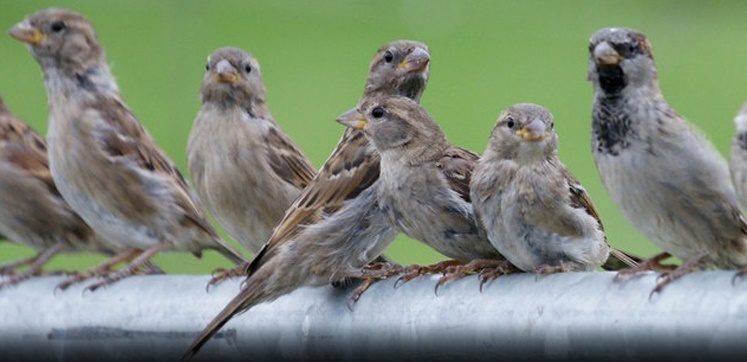
28 November 2017
Pest advice for controlling Sparrows
Rarely a problem in domestic situations, but frequently an issue in commercial premises such as bakeries and warehouses. Sparrows can enter buildings through tiny gaps and, once in, are very difficult to remove.. More
-
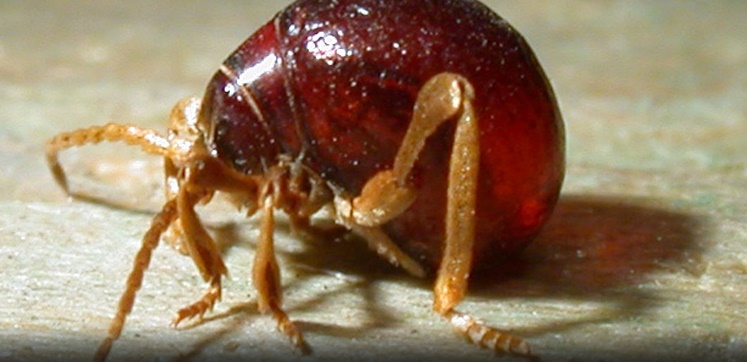
28 November 2017
Pest advice for controlling Spider Beetles
A group of beetles with globular abdomens and relatively long legs, superficially resembling small spiders, 3-4mm long. General scavengers of all sorts of animal and vegetable debris and stored food, and frequently associated with old birds’ nests.... More
-
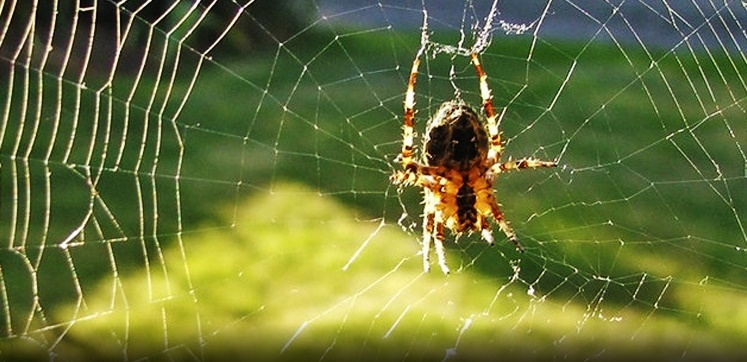
28 November 2017
Pest advice for controlling Spiders
In the UK, native spiders are not considered dangerous, or a threat to health but some households suffer from ‘nuisance’ house spiders, and because of common fears (arachnophobia), many require pest control.. More
-
28 November 2017
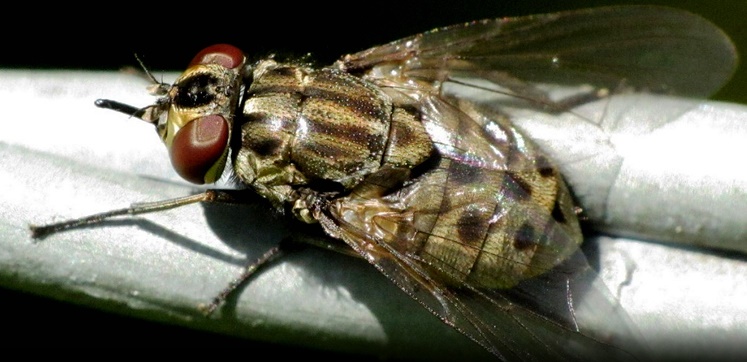
Pest advice for controlling Stable Flies
Closely resembles the Housefly, but this fellow bites. Uncommon indoors but breeds in long grass, straw or grass cuttings where there are horses or other animals.
. More
-
28 November 2017
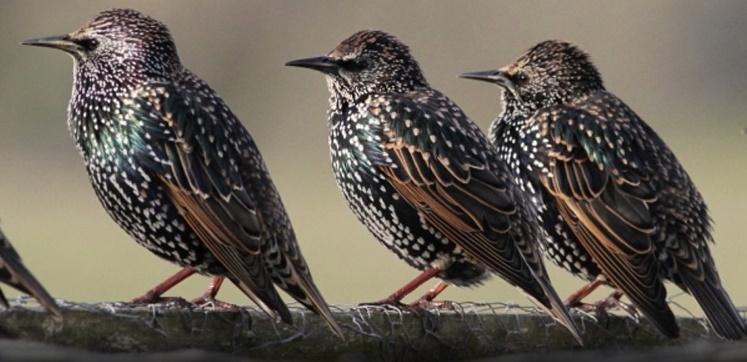
Pest advice for controlling Starlings
Although a native to this country, our permanently resident starling population is swelled every autumn by migrants arriving from the Continent. Starlings may roost in their thousands on ledges on buildings and in trees in city centres. Their drop.... More
-
28 November 2017
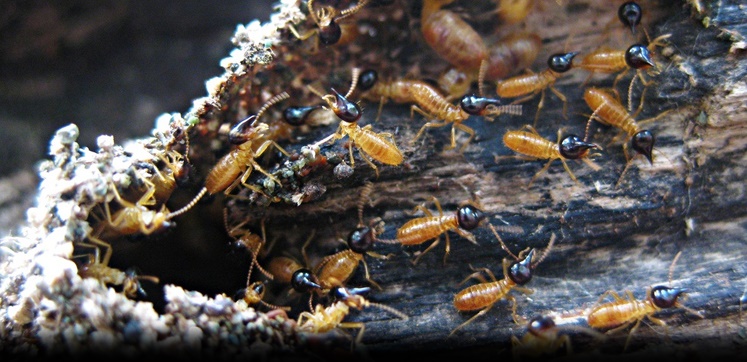
Pest advice for controlling Termites
Social insects which may live in communities of many millions of individuals. In tropical and sub-tropical countries they are major pests of timber buildings. Not presently found in the UK but global warming may allow them to establish in the sout.... More
-
28 November 2017
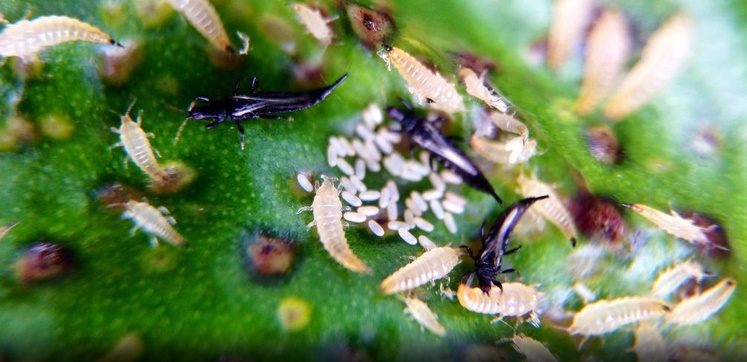
Pest advice for controlling Thrips
Also known as “thunder-flies”, tiny (1.5mm) insects, black with narrow, hairy wings. They feed on plant sap and on humid summer days they may occur in huge numbers on window sills and get into clothing and hair.. More
-
28 November 2017
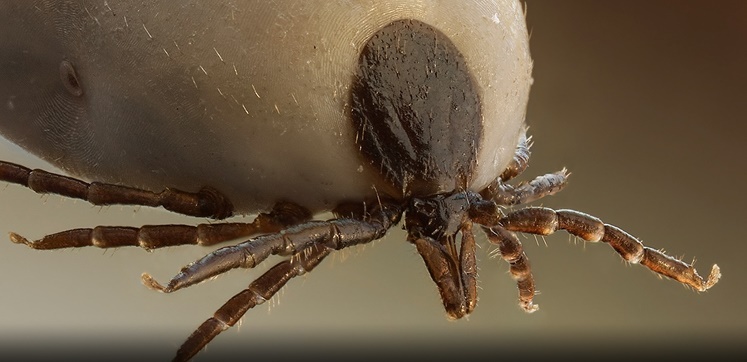
Pest advice for controlling Ticks
Closely related to the mites, but much larger and reliant on vertebrate blood. They are occasionally brought into the house on domestic animals and can be picked up by humans after walking through long grass in an infested area. Ticks are implicat.... More
-
28 November 2017
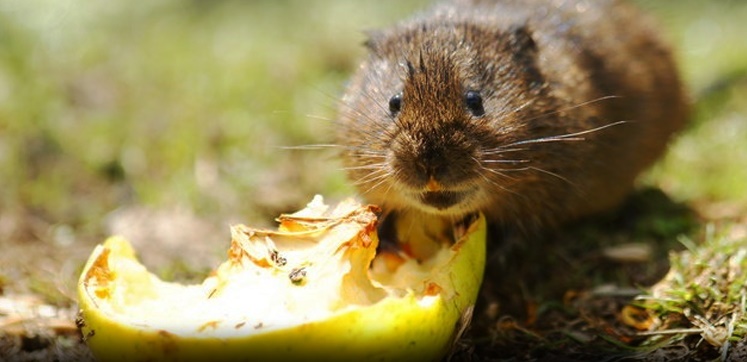
Pest advice for controlling Voles
Usually confused with Brown Rats, these small, blunt-nosed rodents can occasionally enter buildings, but normally live in outdoor burrows. Not regarded as a household pest, and in fact, some species such as the water vole are a protected species a.... More
-
28 November 2017
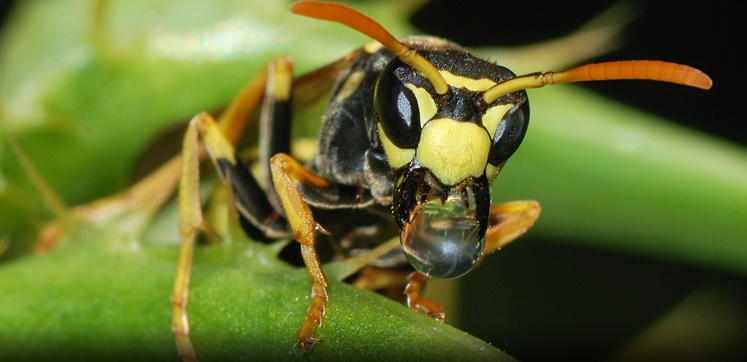
Pest advice for controlling Wasps
Are you worried about wasp stings? Have you found a wasps’ nest? Learn all about wasp nest treatments in our ultimate wasp pest control guide. Get rid of wasps for good. . More
-
28 November 2017
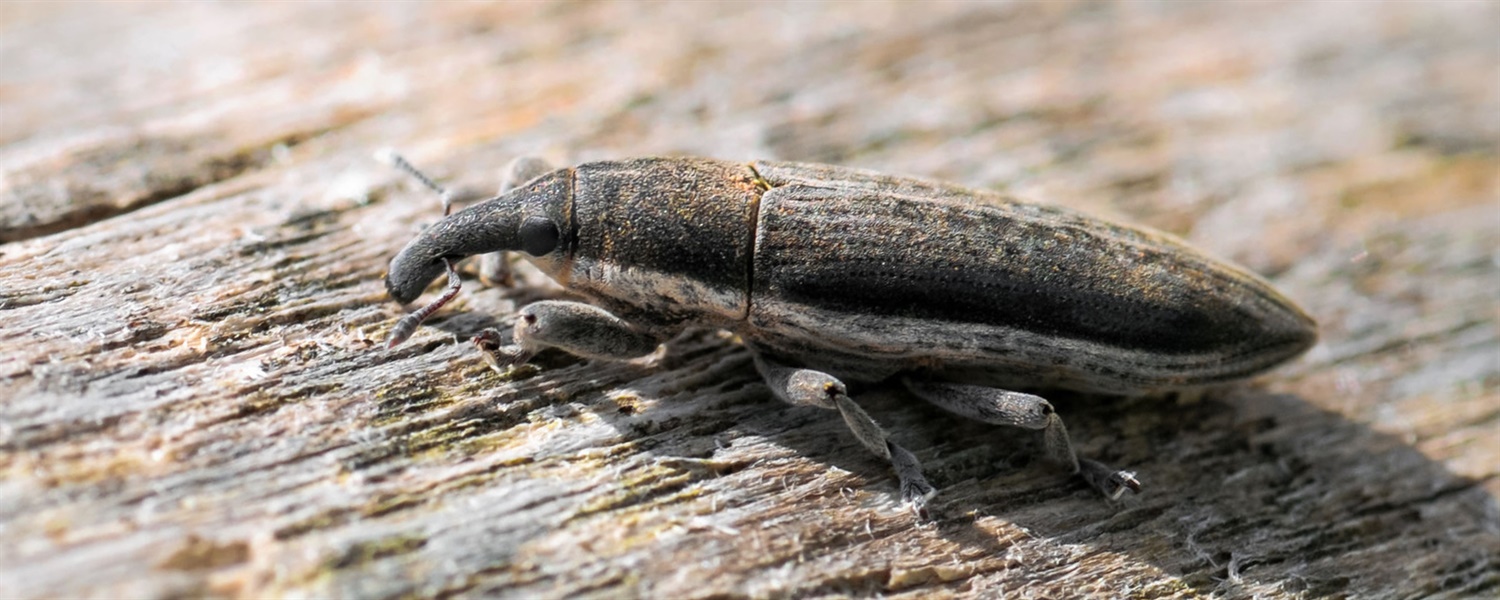
Pest advice for controlling Weevils
A term frequently misused to describe beetles in general, but is applicable only to a distinctive group of beetles with long, pointed “snouts” which they use for boring into whole grains, hard processed cereals such as pasta, and timber. Mainly pe.... More
-
28 November 2017
Pest advice for controlling Wharf Borer
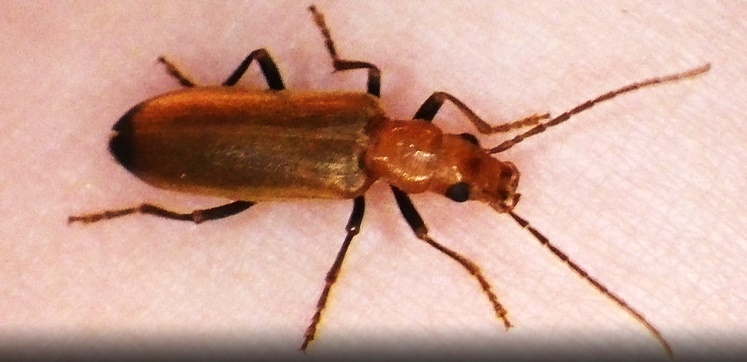
A brown beetle, about 1cm long, with pronounced antennae and a tendency to emerge from damp basements and fly about near rivers or estuaries in early summer. The grubs live in very decayed wet timber such as old jetties or wooden piles. These beet.... More
-
28 November 2017
Pest advice for controlling Woodworm
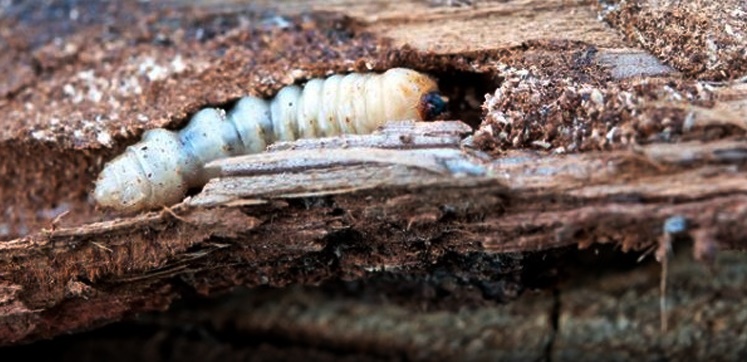
A term used for the destructive larvae of the Common Furniture Beetle. The first sign of woodworm is the appearance of neat round holes, 2mm across, in wooden surfaces, often accompanied by tiny piles of wood dust beneath them. Fresh holes show cl.... More
-
28 November 2017
Pest Advice for controlling Woodlice
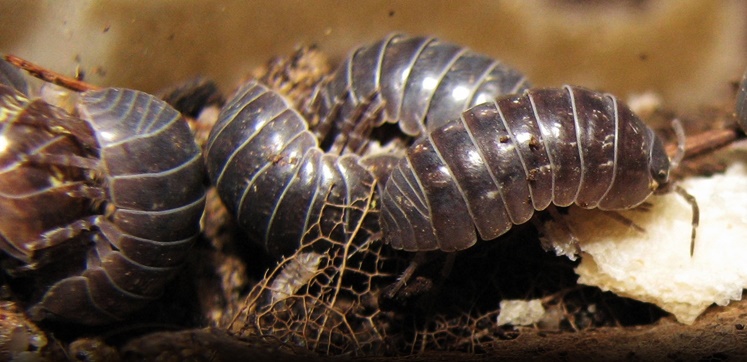
Woodlice are one of the few land crustaceans. They have oval, grey, segmented bodies 10-15mm long, with 14 legs and prominent antennae. Common names include ‘slaters’, ‘sow-bugs’ and ‘pill-bugs’.. More
-
28 November 2017
Pest Advice for controlling Woolly Bears
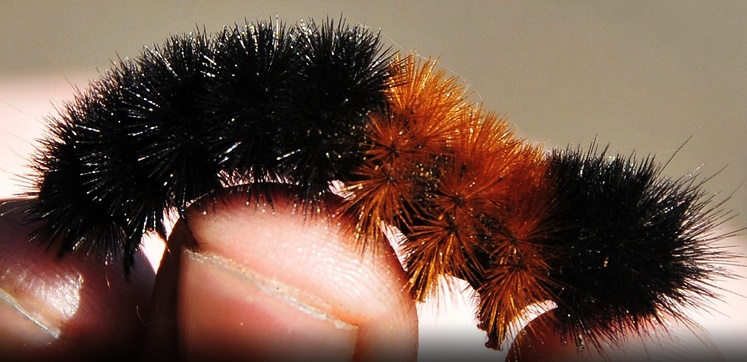
The small hairy larvae of the carpet or fur beetles are known as "woolly bears". These small, oval beetles have outstripped the clothes moths as the major British textile pest. The larvae are small (about 4mm long), covered in brown hairs, and ten.... More
-
28 November 2017
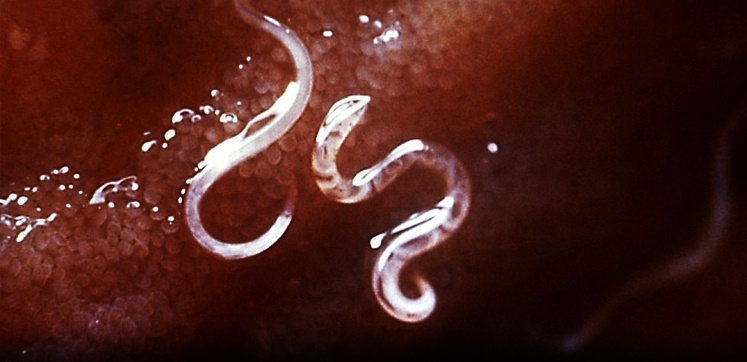
Pest advice for controlling Worms
Parasitic worms are a veterinary or medical problem but they are included here because some may be transmitted by rats, mice or certain insects. Threadworms are relatively common in dogs, cats and children. They are thin whitish wrigglers about 5m.... More
-
28 November 2017
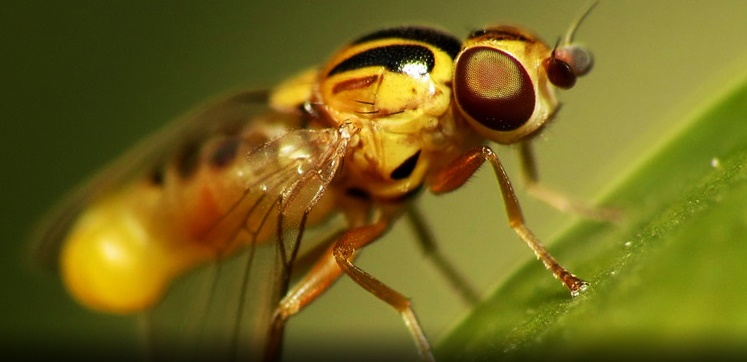
Pest advice for controlling Yellow Swarming Fly
One of the species collectively known as Cluster Fly family. A small yellowish fly with black stripes on its back which sometimes invades attics or rarely-used rooms to hibernate in autumn.. More
-
20 November 2017
PPC89 out now
Professional Pest Controller issue 89 is out now. The BPCA member and industry magazine is packed full of all the latest pest control news and features (November 2017).. More
-

20 November 2017
Everything changes but you
What a year for BPCA! I guess this is why they say the only real constant is change. . More
-
20 November 2017
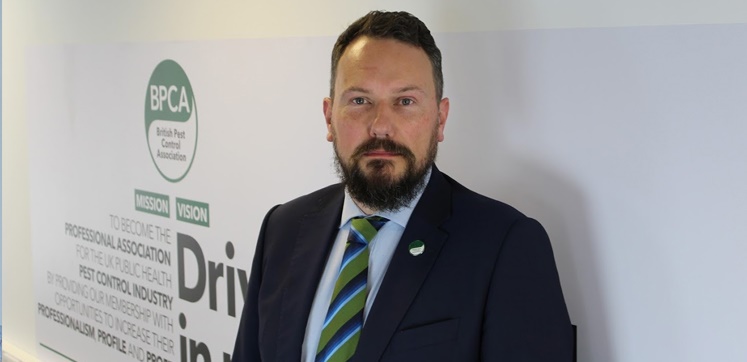
Some final words, and a new chapter for BPCA
Unless you’ve been living in a cave, you will know I’m leaving BPCA and the sector early in 2018 to take up a role with the National Association of Jewellers. Consequently, this is my final CE viewpoint and the last PPC magazine I’ll edit.. More
-

20 November 2017
Seven years of Simon
Simon Forrester will be leaving his role with the Association in January of next year. We thought we’d turn the tables on our departing editor and put him in the interview seat for a change.. More
-

17 November 2017
Recruit a pest controller: From posting a job to hiring a new employee
Looking at bringing a new pest management technician on board but don’t know where to start? We’ll go through the whole process and tell you all about the tools we offer to help you find your perfect new colleague. . More
-

17 November 2017
New York Rat Safari
Andy Beckmann organises one of the largest pest management trade shows in Europe, Pest-Protect. While researching other trade-shows around the world, Andy has seen many weird and wonderful things. In this guest article, Andy tells us about his adv.... More
-

17 November 2017
Don’t get replaced by a robot pest controller!
We’ve been talking about new technology in pest management lots over the last few issues. BPCA Technical Manager, Dee Ward-Thompson investigates how we best protect our profession with the impending age of automation on the horizon.. More
-

17 November 2017
The death of the Yellow Pages and the rise of Shirley Temple
Telephone, telephone table, family address book, pen pot (complete with an assortment of random pens) and The Yellow Pages. My, how times have changed…. More
-

17 November 2017
New member benefit: Printshop
Print is very much alive, but it has to be used in the right way. Print is potent in maintaining brand recognition, adding significant value to customer service and, ultimately, keeping your logo (and mugshot) around long after you’ve gone.. More
-

17 November 2017
Quick marketing audits for every pest management company
We get a lot of questions about how to market your pest control business. We've found four free 15-minute marketing audits that every pest management company can do to check your brand is talking to your customers.. More
-

16 November 2017
Controlling reputation – we can’t help if we don’t know!
A first lesson of public relations is to take control of potentially bad press. Being part of a trade association is a useful, but often forgotten, mechanism to help preserve reputation.. More
-
16 November 2017
Pest control while protecting our bats
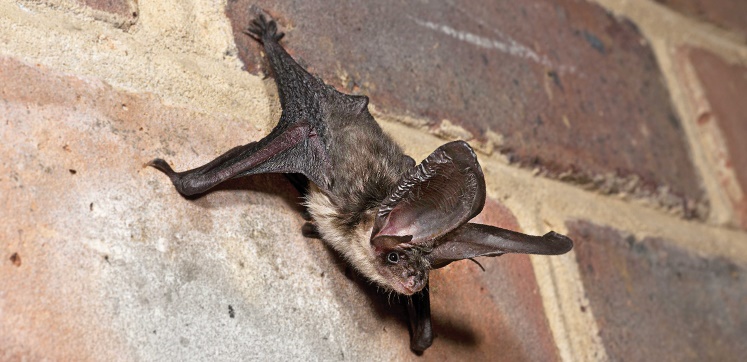
All UK bat species eat insects and as such do play a part in insect pest control in the UK – a single bat can eat thousands of insects each night. Bats are also considered to be one of our bio-indicator species – where there is a healthy bat popul.... More
-

16 November 2017
PPC Live 2018: Your questions answered
BPCA Events Manager, Lauren Day, has been to her fair share of trade shows. She answers your big questions about PPC Live.. More
-

16 November 2017
PPC Live: Seminars, outdoor demonstrations and exhibitors
The full PPC Live seminar and outdoor demonstration programmes have been released! Take a look at what we've got planned. . More
-

16 November 2017
Back to basics: effective control of stubborn mouse infestations
Many of us will have come across those stubborn, hard to control infestations. Pest Solutions (Glasgow) technical lead, Chris Cagienard makes the case for getting back to basics with mouse control.. More
-

16 November 2017
Pest control in space
Pest controllers are no strangers to alien invasive species. With Star Wars: The Last Jedi due to hit our screens in December, we’ve received some amusing requests for practical guidance for pest technicians interested in taking their trade interg.... More
-

16 November 2017
Ask the Technical Team November 2017
Being the leading association for pest management in the UK means that you get a lot of professional pest control questions piling up in your inbox.. More
-
16 November 2017
Norwegian, Wood – isn’t it good? Pest management in Norway
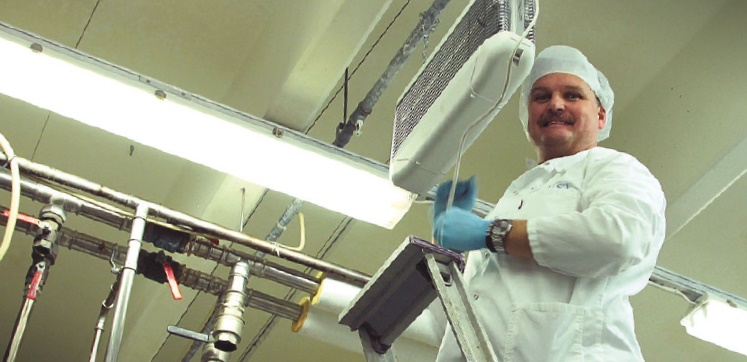
What happens when you take a Norwegian pest technician out with you on your rounds? James Wood, a technician from Beaver Pest Control, took Rune Bratland, owner of Skadedyrservice AS, Bergen to a couple of his regular contract jobs. . More
-
16 November 2017
Pestwatch: Technical help for professional pest controllers
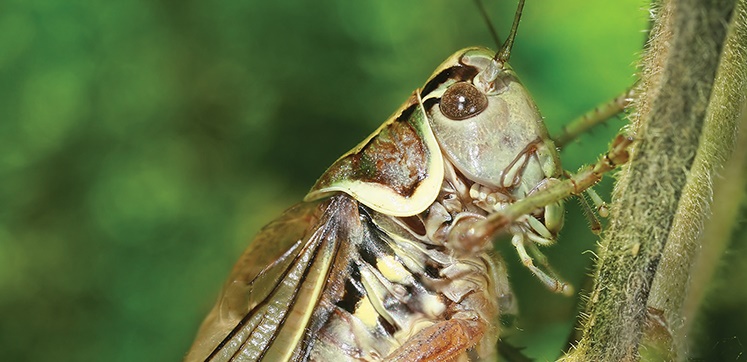
Our technical team is out and about all over the country, and they always have their ear to the ground. This is what they think you need to look out for between November and February.. More
-

16 November 2017
Your Association: Get involved with PPC magazine
A considerable amount of time and resources get dedicated to creating PPC magazine. Content and Communications Officer, Scott Johnstone, looks to what the future holds for PPC and how you can be involved in its development in 2018.. More
-

16 November 2017
‘Spotlight’ on Kent pest control firm after 12 months’ membership
5 in 5 with David Lacey, Director, Spotlight Pest Control (Kent). More
-
16 November 2017
Meet the Servicing Committee Chairman
Howard Taffs, Managing Director and owner of Good Riddance Pest Control in Bristol, took over as Servicing Committee Chairman in September. We caught up with Howard to pose a few questions.. More
-

16 November 2017
Look back: North West Regional Forum
After our summer break, the BPCA events calendar is back in full swing as we head out on the road again for the rest of 2017 – beginning with the North West Regional Forum in Manchester. . More
-

16 November 2017
Our shouting is being heard! BPCA visits BRC
As you would have read in the last edition, we are now in a great position to tell everyone about the high standards that our membership is assessed against, and what it means to be a BPCA member.. More